Level 1 of 5
Function
What the mechanism does. The largest area from the smallest protected stow, measured from the wing at rest and in flight.
A surface that collects only when it is useful, and is safe when it is not.
Mattara studies how insects fold, stow and open their wings, and turns those mechanisms into products, places and systems that gather energy from their surroundings.
Above: the venation of an Australian emperor dragonfly, traced from the specimen and grown from the wing root.
The premise
It was always the purpose to be a way of designing. Transport, and the places and systems around it, can work like living things.
What the mechanism does. The largest area from the smallest protected stow, measured from the wing at rest and in flight.
A surface that collects only when it is useful, and is safe when it is not.
The shapes the function takes. A pointed forewing over a broad hindwing; veins that stiffen a membrane a fraction of a millimetre thick; a wing convex when closed that flattens as it opens.
Ribs that carry load in plain sight. Two finished forms, closed and open.
How the living system acts over time. A dragonfly perches with its wings spread to warm, turns toward or away from the sun, and folds before weather.
Surfaces that track the sun, close for storms and learn the routines of the people who use them.
How it relates to its surroundings. A termite’s nuptial flight releases thousands of identical individuals that each deploy alone. A wing is plumbed into the body that carries it.
Products made to be stacked and released in numbers; vehicles and places that share energy; wings that carry coolant and sensing as well as cells.
What the form says to people. The resting insect reads as calm; the open one as alive.
The wonder of a thing that unfolds like a living thing, and the pride of owning it. This is the level bionics has left out.
From insect to application
Step 1 of 6
What pressures shape it: sun and heat, wind, rain, predators, flight, rest, dispersal? A ladybird’s wing cases answer abrasion and attack; a dragonfly’s posture answers heat.
Reduce the form to how it works: a fold, a stack, a shell, a vein network, a tuned tip, a vortex held on the wing. Measure it. Learn the mechanism, not the shape.
State what the mechanism achieves in a word or two: collect, protect, cool, shade, stow, tune, move air, disperse.
Look for a place where people need the same purpose under similar pressures: a city street, a highway, a rail line, a mine, the outback, orbit.
Combine mechanisms where one is not enough. Give the result two complete forms, closed and open, and make both beautiful.
Check the biology, estimate the energy, prototype and measure. Then add the result to the typology, so each application builds on the last.
Name it in a word or two. Then find the place where people need the same thing.
The Australian plague locust stows a hindwing almost ten times larger than its folded footprint, on radial pleats that open from a single hinge.
The atlas
Fifty-eight Australian insects from thirteen orders, measured from the natural-size plates of Tillyard’s 1926 textbook. The figure is the wing area a design gains over its stowed plan.
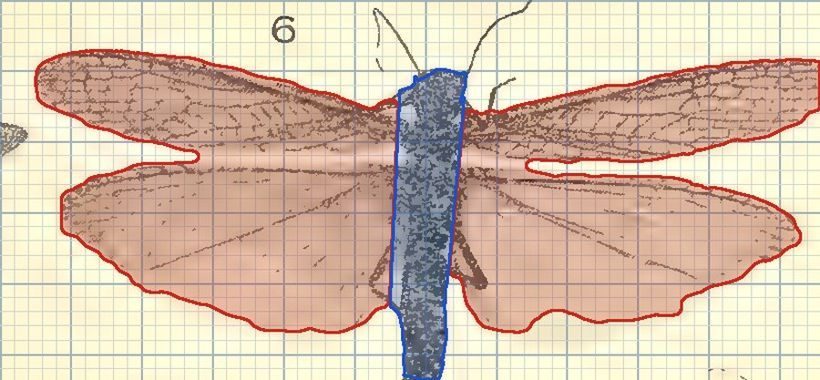
A narrow, hardened forewing lies over a broad hindwing that closes along radial pleats like a hand fan.
Grasshoppers, stick insects, mantids, stoneflies. Stoneflies and stick insects, median of eight.
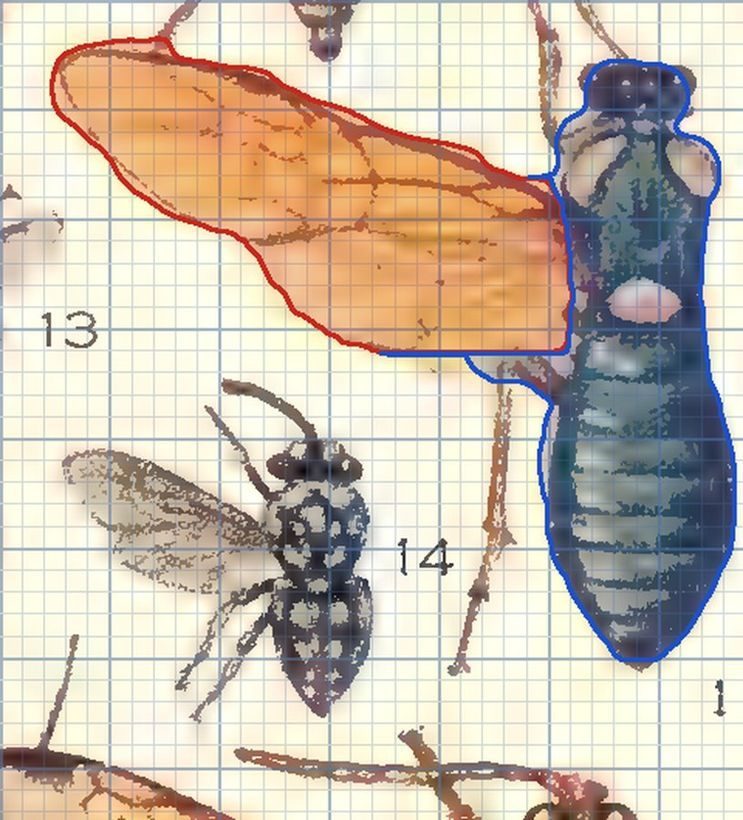
No fold at all. The wings lie flat, one over the other, and swing out from a single root.
Termites, sawflies, bees and wasps. Median of thirteen.
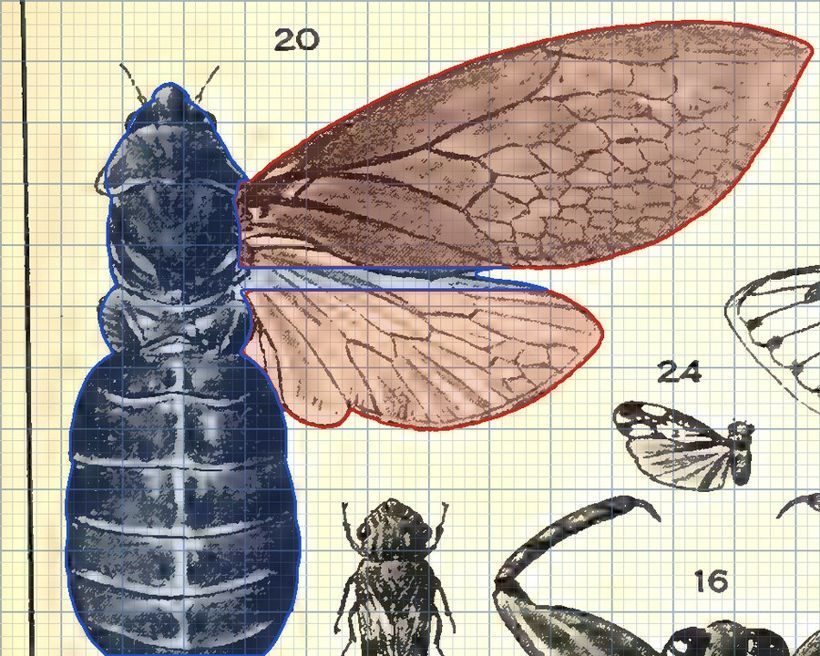
Framed wings rest roof-wise over the body and form its outer envelope. They do not fold; they rotate out to fly.
Cicadas, lacewings, caddisflies. Median of fifteen.
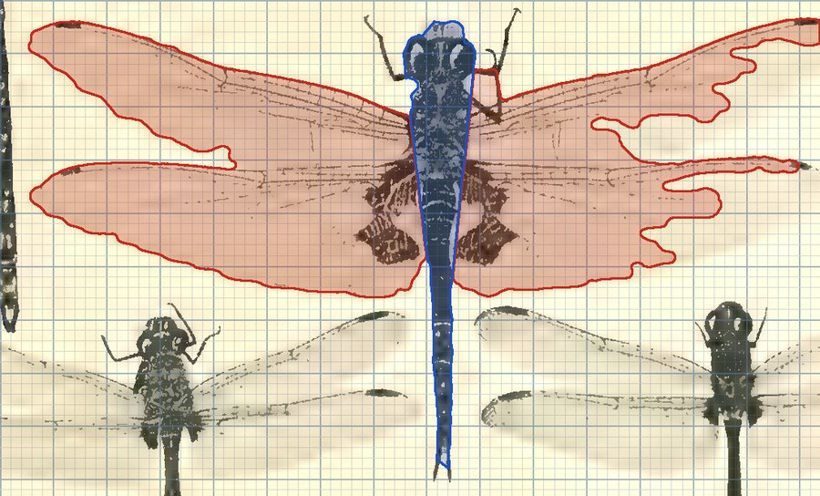
The wings never fold. The baseline every folding type has to beat, and the most precisely controlled wing there is.
Flies and dragonflies. Median of eight.
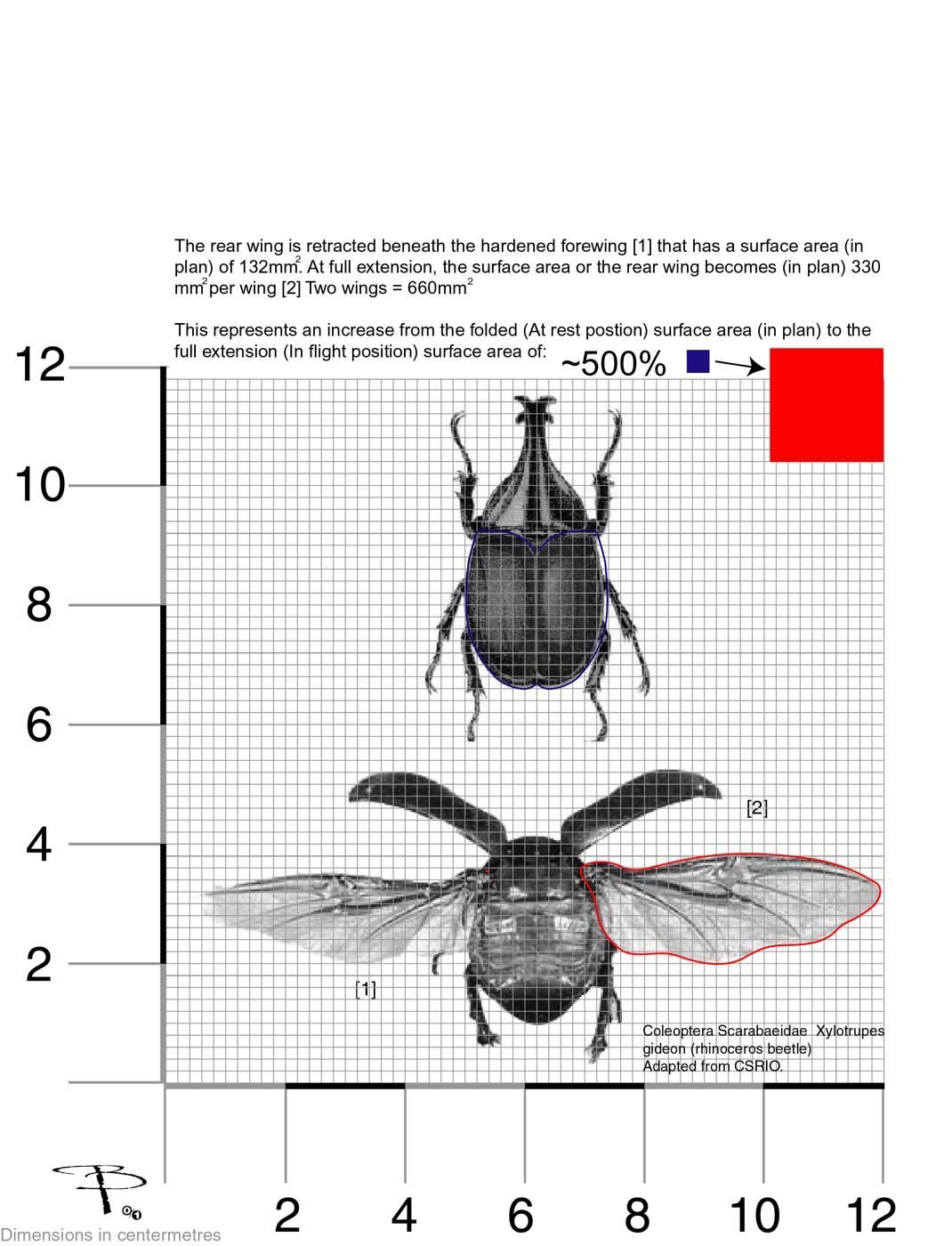
Hard wing cases protect a hindwing folded across its length at springy joints, and guide it into its creases.
Beetles and ladybirds. Rhinoceros beetle, folded to open.
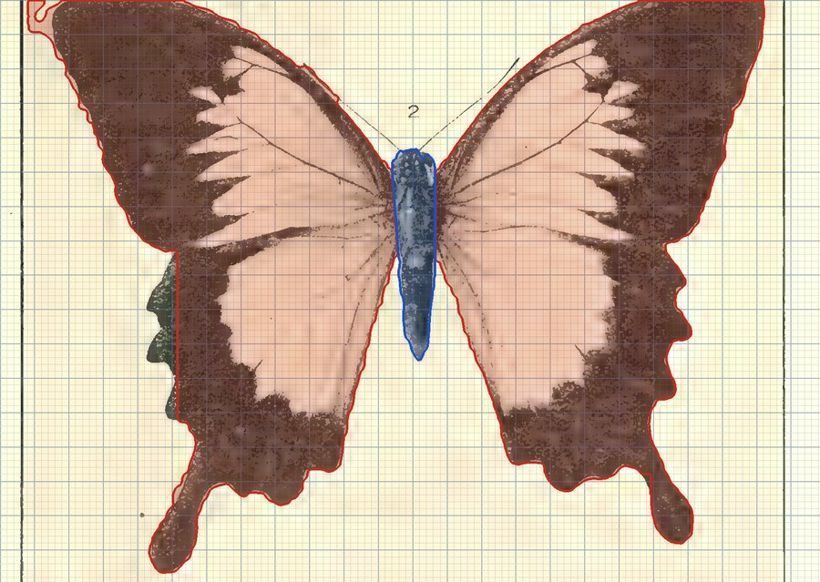
The wings close upright over the back, the smallest stowed footprint of all.
Butterflies and damselflies. Median of nine.
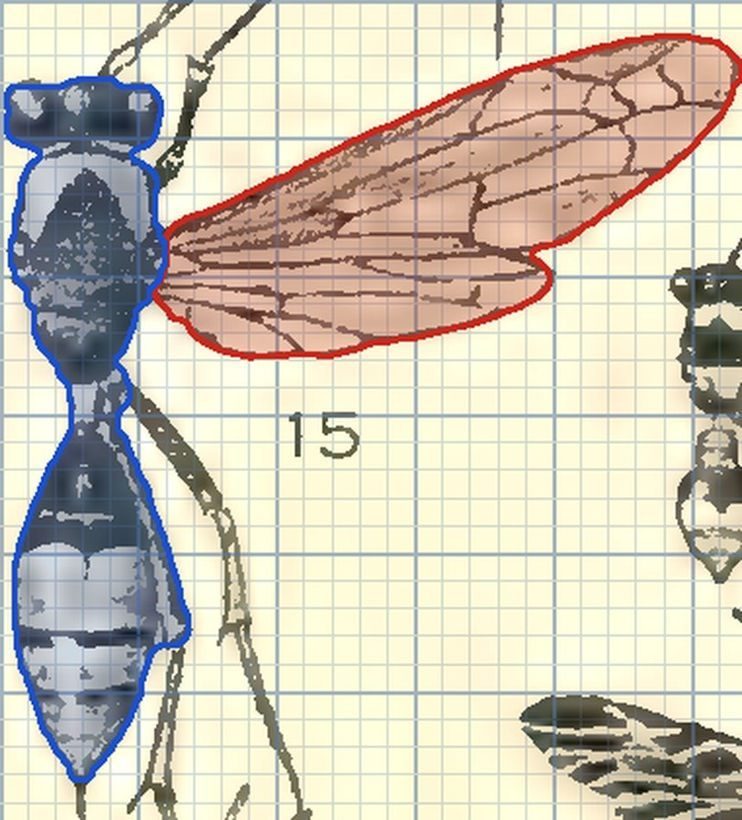
Each forewing folds once along its length. A click at the base gives it two stable positions.
Paper wasps and potter wasps. Median of four.
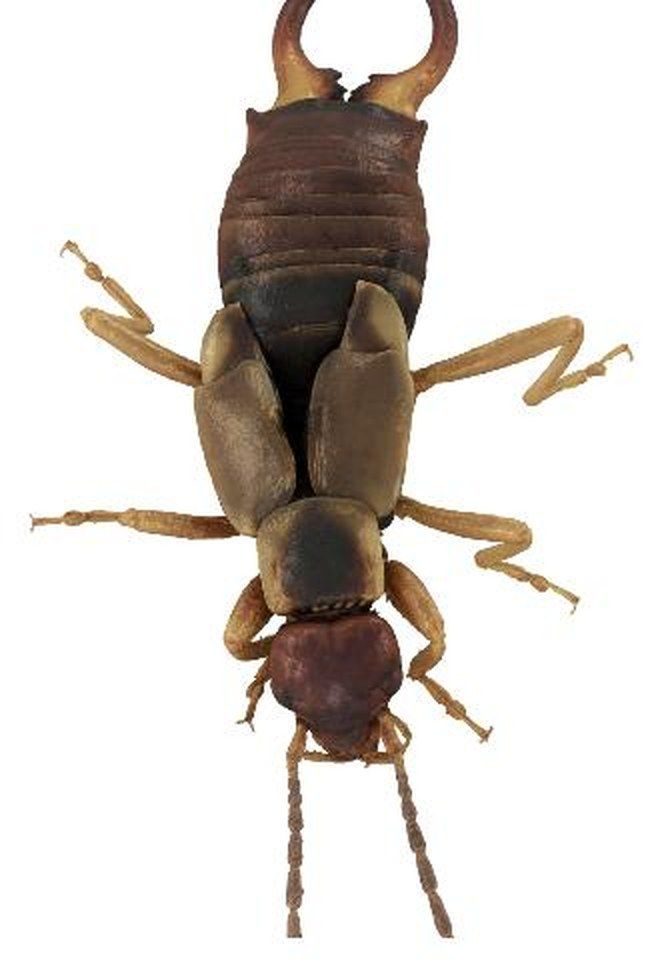
A fan that spreads while its cross-creases snap flat. Bistable: it holds open and shut with no muscle at all.
Earwigs. Folds to about a tenth of its open area.
The first guard
Bio-inspired design has real successes and good stories that did not survive measurement. The method has to tell them apart.
BorrowedThe kingfisher’s beak, which enters water with little splash, as the shape of the train’s nose.
What happenedThe train ran 10% faster on 15% less electricity, and the boom it made leaving tunnels was gone.
A borrowed form works when it solves the same physical problem.
BorrowedTermite-mound ventilation as passive cooling for an office building.
What happenedReported to use about a tenth of the energy of a conventionally cooled building. Later field work found mounds are wind-driven lungs, not chimneys.
The building worked because it was well engineered, not because the biology was right. Check the biology.
BorrowedThe boxfish’s body, thought to be stable and low-drag.
What happenedA drag coefficient of 0.19. A 2015 study found the boxfish is neither self-stabilising nor especially low-drag.
A good result can rest on a wrong premise. Measure the organism.
BorrowedMinimal surfaces found with soap films, and the logic of spider webs.
What happenedA lightweight cable-net roof still admired fifty years on.
Structure found from nature’s rules can be efficient and beautiful at once.
BorrowedThe fold pattern and elastic joints of the earwig hindwing.
What happenedDesign software for fans, and a self-deploying CubeSat wing tested in zero gravity.
The insect’s fold, measured, turned into rules, then flown.
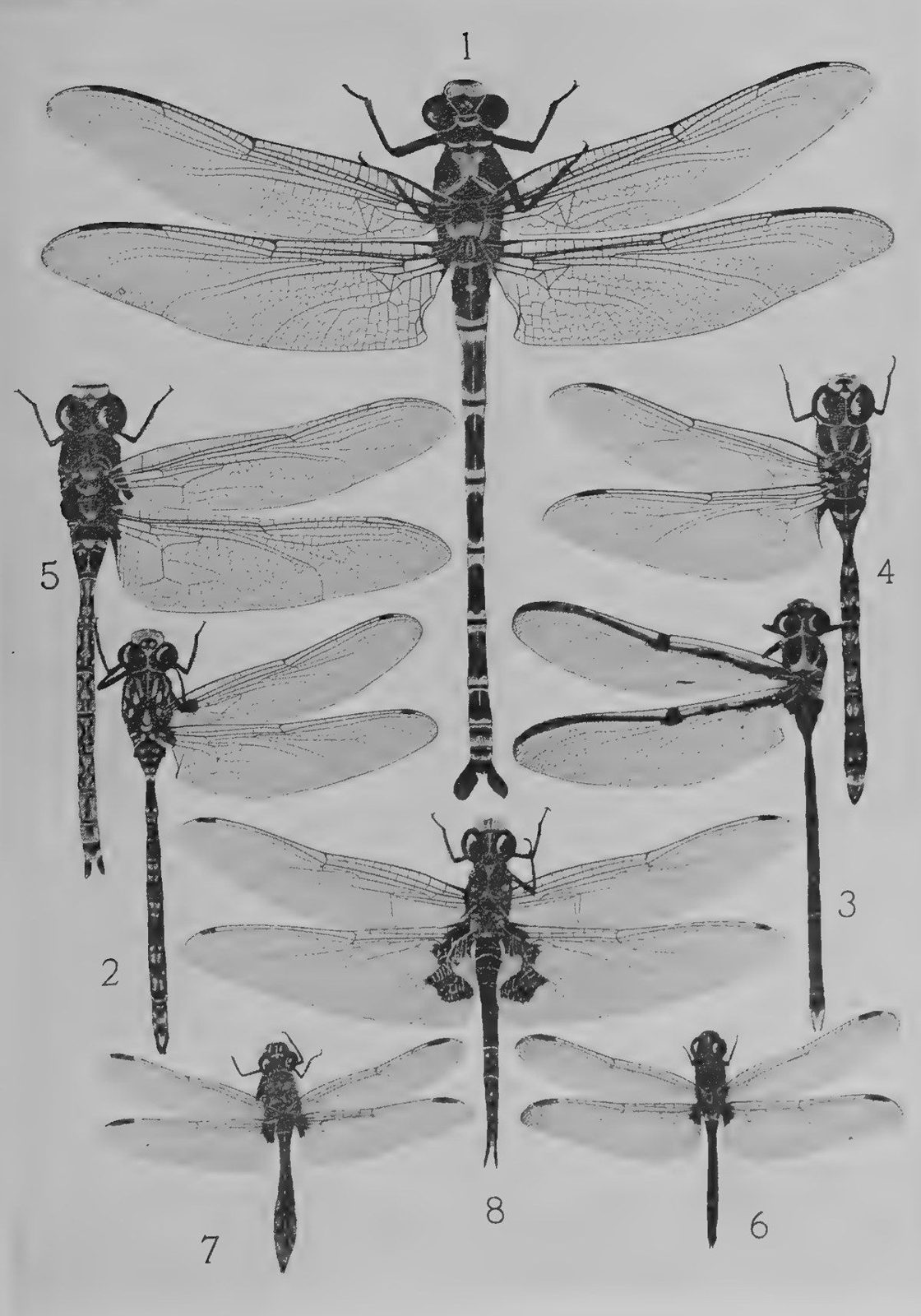
R. J. Tillyard (1926), Plate 4, Australian dragonflies. Public domain.
Six values
A vehicle can behave like an organism: it takes in sunlight, manages its heat by circulating fluid, rests compact and opens when conditions suit it.
Mobility that gathers the energy it uses. Australia has watched solar cars cross from Darwin to Adelaide since 1987; the task is to take that from the race to the everyday.
A product designed this way reads its environment and responds: it opens to the sun, closes against hail and wind, and shelters what it carries from the heat.
Work with sun, wind, heat and landscape rather than overpowering them. Ian McHarg’s phrase; Glenn Murcutt’s “touch the earth lightly”.
In an ecosystem one organism’s waste is another’s food. Things designed this way share energy with each other and with the places they stop.
Beauty is not a finish applied at the end. It is a reason to make things well, and a reason people keep what they own. An insect wing is both useful and beautiful.